Oaklyn Consulting
More than doubled sales in one quarter. Nearly hit their stretch goal of doubling annual run rate.

AI is everywhere.
We've been quietly building it into the engine that runs B2B growth.
From the team at Rockstarr & Moon. Scroll for what we do today.
Rockstarr & Moon is the firm B2B founders call when they're brilliant at what they do, stuck under an invisible ceiling, and tired of being the bottleneck of their own business. We build the strategy, the systems, and the growth engine. You stop holding your business together by force of will.
93% YoY profit growth.
Not revenue. Profit.
More than doubled sales in one quarter. Nearly hit their stretch goal of doubling annual run rate.
Sold more in one quarter than the entire year before. 10:1 ROI.
52% sales growth year over year. No new hires.
























Our flagship engagement. We embed alongside your team and build the strategy, systems, and growth engine that takes you past your current ceiling. Founder-led. Hands-on. 93% YoY profit growth.
Book a callThe operating system built from our agency's playbook. The leverage of Rockstarr & Moon, packaged as software you can run yourself. Built for B2B founders who want the engine without the engagement.
Get on the listEvery Rockstarr & Moon engagement runs on the same 5-step framework that's now powering Rockstarr AI.
Clarify why you're the obvious choice in your market.
Build the engine that produces leads on a predictable schedule.
Install the follow-up and sales systems that turn interest into revenue.
Operationalize delivery so growth doesn't break the rest of the business.
Turn every win into the system that creates the next one.

She'd been with me for years. Hiring a replacement was an uphill battle. So I tried something different. My husband challenged me to automate 20 percent of her job.
After 21 days of working 3 AM to 7 PM, I'd automated 90 percent. Over the next six months, I automated the rest of the agency.
That experiment became Rockstarr AI. The growth operating system I wish someone had handed me five years ago, when I was the bottleneck and didn't know it.
I hired Rockstarr & Moon to help me revise the look and overhaul the content of my website. Overall, it was a very positive experience, and I would urge other small business owners who are interested in upgrading their marketing efforts and approaches to contact them for similar support. I do not provide references frequently. This is a case where I felt compelled to share what was a great experience and urge others to contact them.
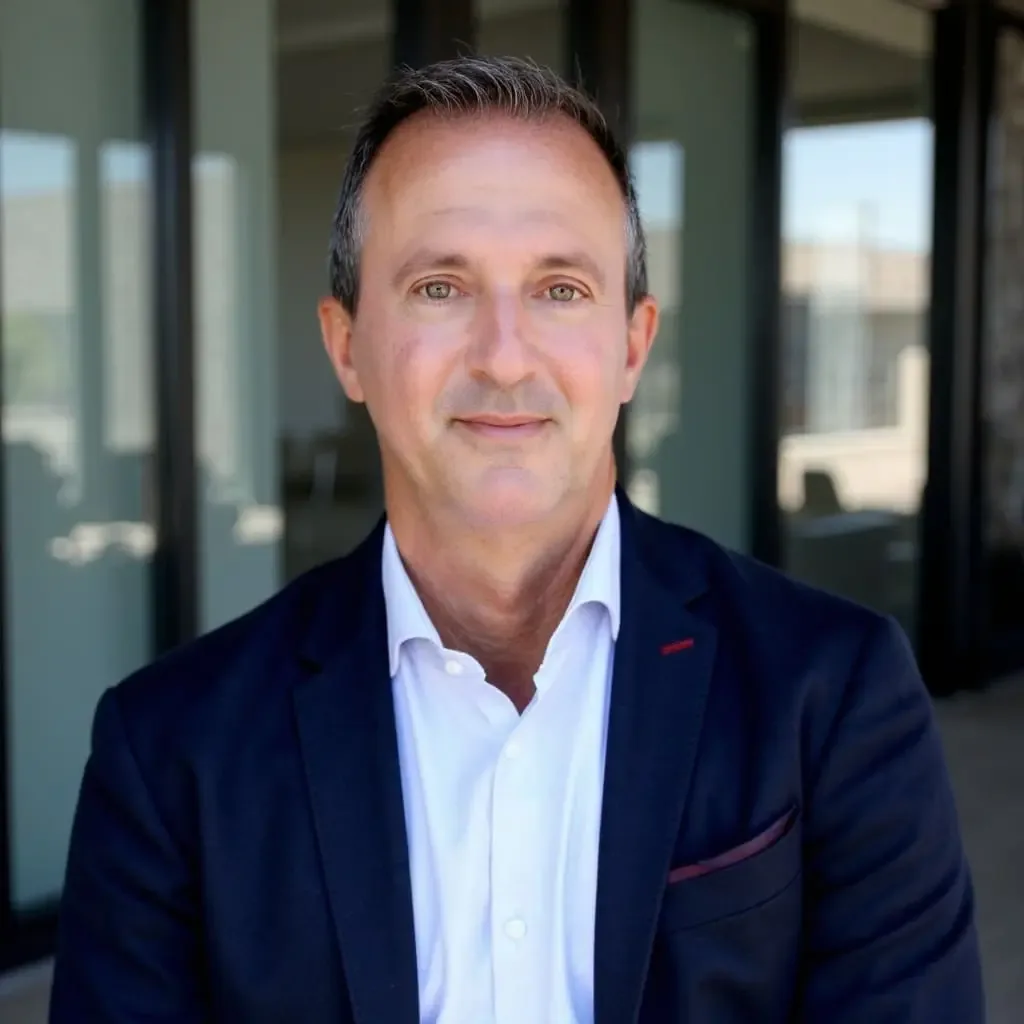
Scott Kupperman
Founder & Principal Advisor · Scott Kupperman
We needed to convert our website from being an electronic brochure to a product testimonial targeting both investors and customers. That's all I said to Rockstarr & Moon. What followed was a series of well thought out steps that led to a methodical build that literally stunned me when I saw the final product. They exceeded our expectations and never stop with new ideas. Partnering with Rockstarr & Moon was one of the best decisions we've made in our 10+ years on this planet. Rock-on!
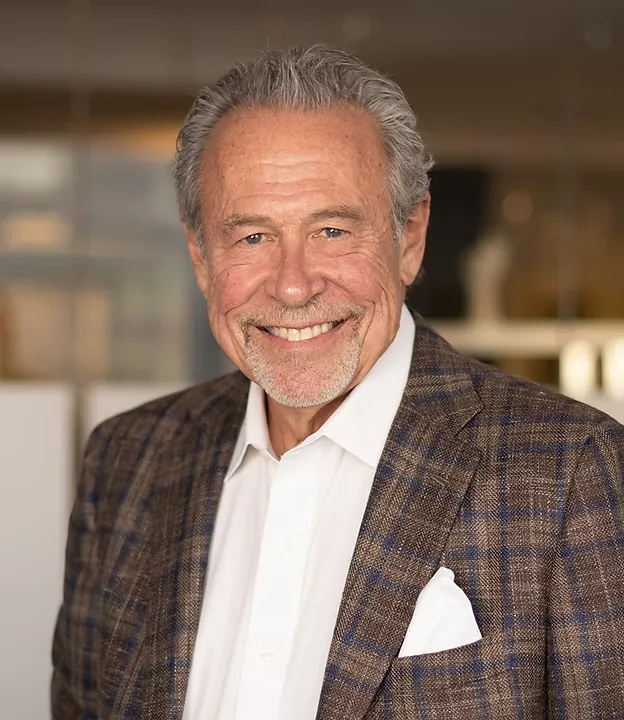
Ron DiLeo
co-Founder and CEO · Ron DiLeo
Rachel and the Rockstarr & Moon team have been an excellent resource for our firm. Their work has exceeded our expectations and we highly recommend them!
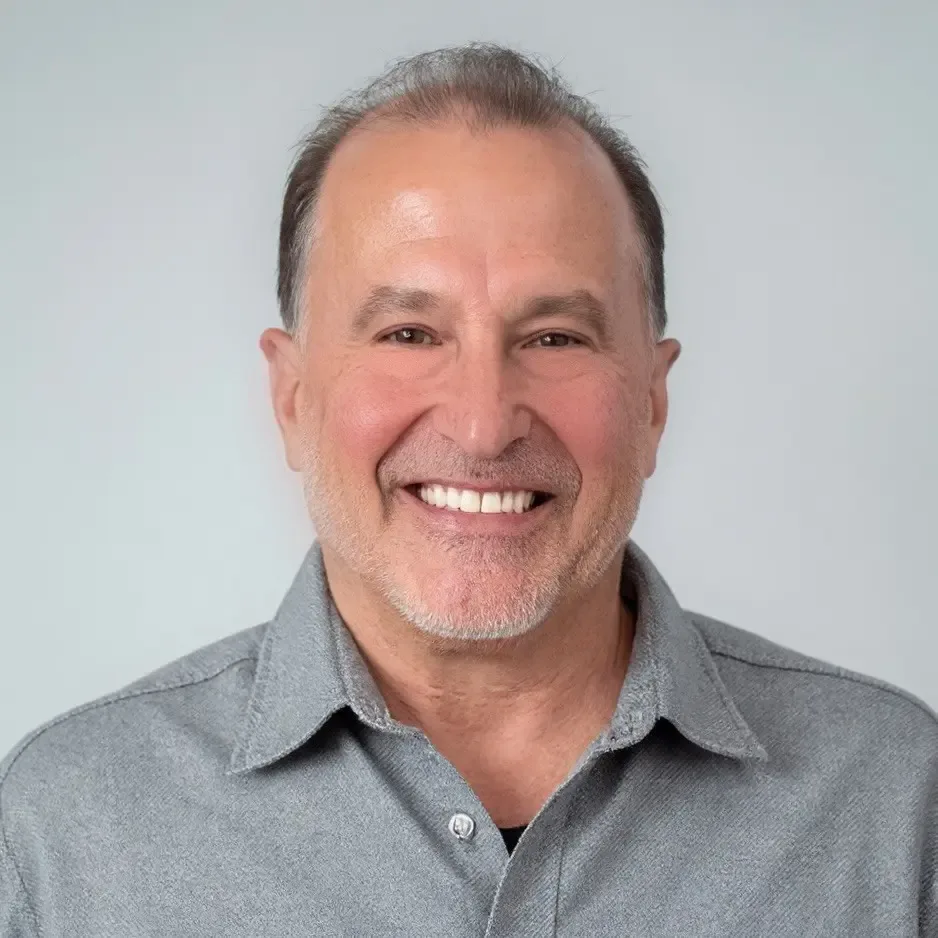
Mike McCormick
Managing Partner · Mike McCormick
Rachel and her team helped our company's new division (the legal & accounting division) launch. They helped with literally everything; branding, marketing, social media, etc. The team helped guide us throughout this process. I highly recommend them. Rachel is the best!

Andrea Stuck
Director of Legal & Accounting Services · Andrea Stuck
Rockstar and Moon exceeded our expectations! They took our vision for the website and turned it into something even better—clean, modern, and user‑friendly. The team was responsive, creative, and easy to work with from start to finish. Highly recommend them for anyone looking to elevate their online presence!

Sarah Pistner
Founder & CEO · Sarah Pistner
The team did a great job pushing me to think outside the box and consider my business from a different perspective.

Jane Holmes
Founder & CEO · Jane Holmes
These guys are awesome. Easy to work with. They completely understand what you need, sometimes before you do. Would highly recommend!
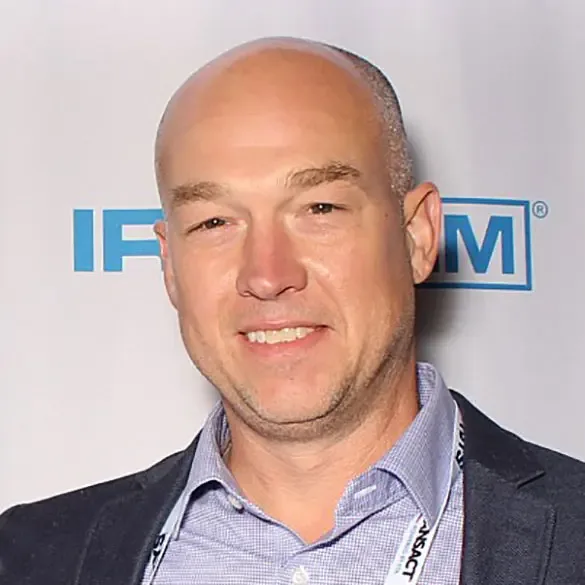
John Pullin
President · John Pullin
I've had the pleasure of working with Rockstarr & Moon for the past year and can confidently say that they're a standout in their industry. One of the most impressive things about them is their reliability. Whether it’s meeting deadlines, keeping promises, or ensuring that quality is never compromised, they consistently deliver on time and to a very high standard. I would recommend them to anyone looking for more brand visibility and professional marketing materials.
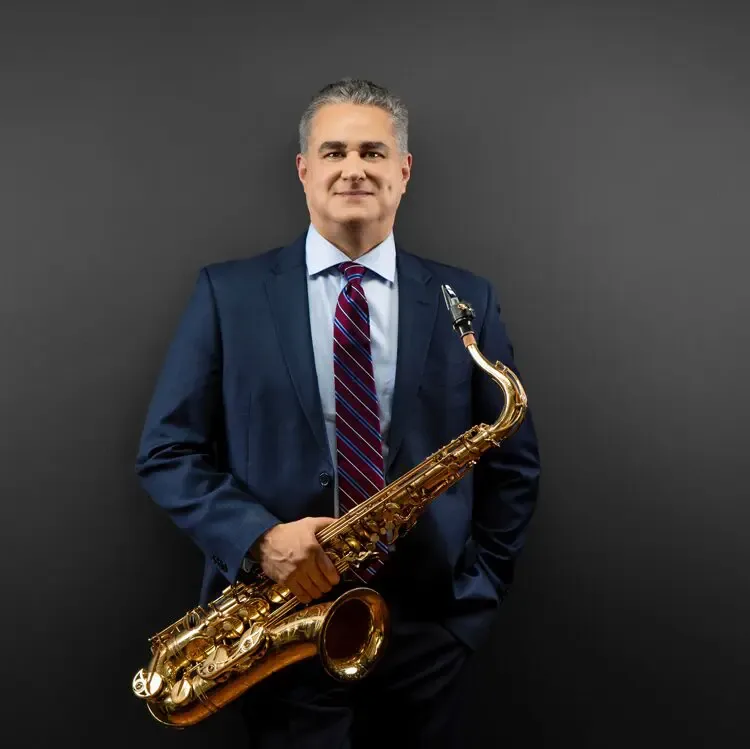
Dr. Michael Brenner
Founder & CEO · Dr Michael Brenner
This team brings serious hustle and fresh ideas that drive results. Their organizational skills are top-notch, making it easy to see what activities are prioritized and ready for review. I genuinely look forward to their weekly wrap-ups. I’m selective about who I recommend and refer to others, but Rockstarr & Moon is at the top of my marketing list.

Felisa Palagi
CEO · Felisa Palagi
Rachel, Jon and the rest of the team are outstanding. They work transparently, keep you informed, adapt to your specific business needs and, ultimately, get you results. Highly recommended!

Josh Matthews
Founder · Salesforce Staffing
Rachel and Jon are outstanding professionals at Rockstarr & Moon! They have been crucial in helping our website, marketing, and sales programs take that next step. They are helping us move the needle on market awareness and sales!
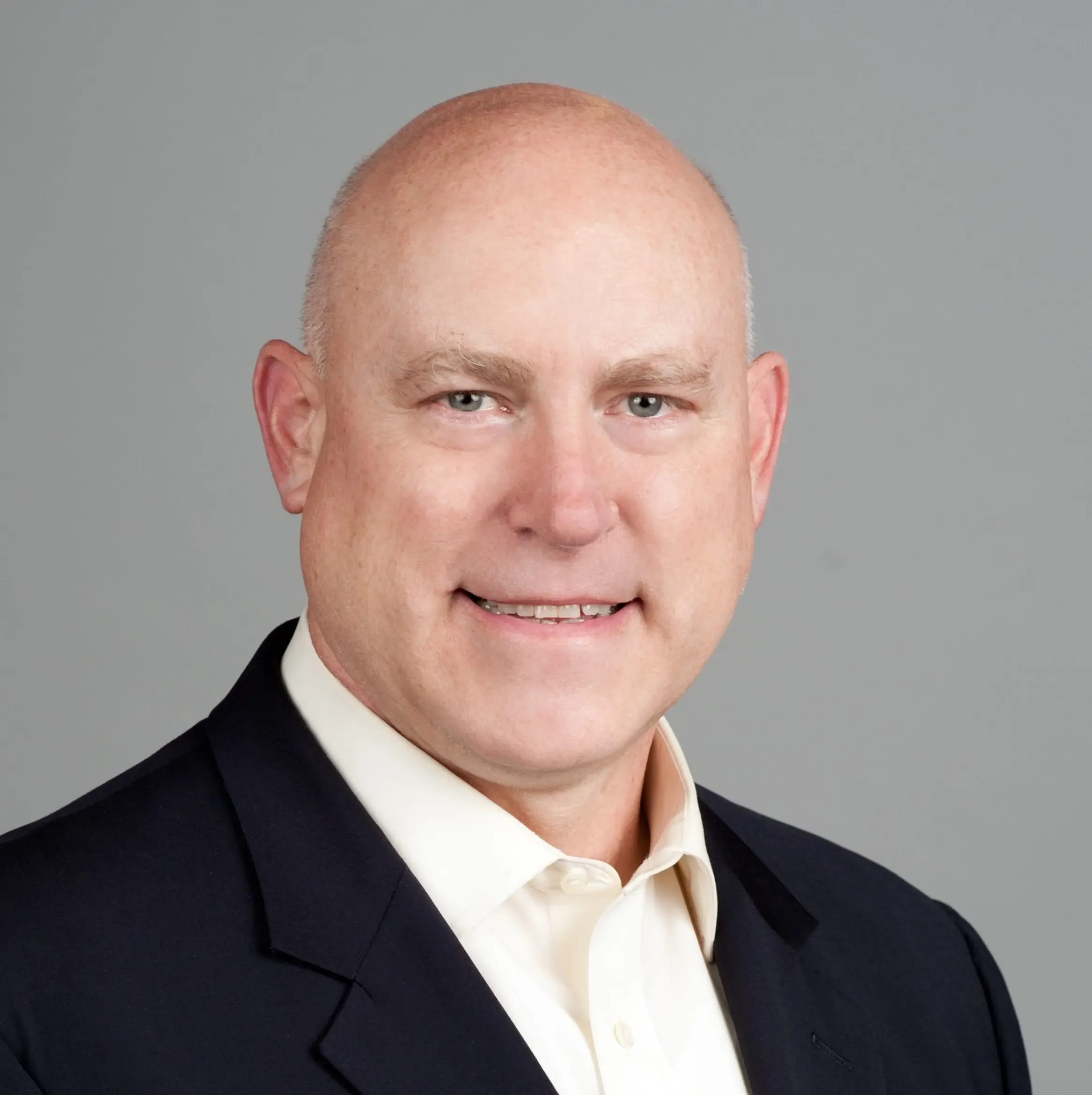
Chris Swan
Managing Partner · TRANSEARCH Chris
Rockstarr & Moon created a logo that pops and built an impactful, professional new website-- and they did it in record time. It totally changed the impression we make on prospective clients and yielded immediate results.

Andrea Marcone-Herrera
Sales Acceleration VP · SalesSparx Andrea
Sharper thinking on B2B growth. Strategy, sales, scale.